
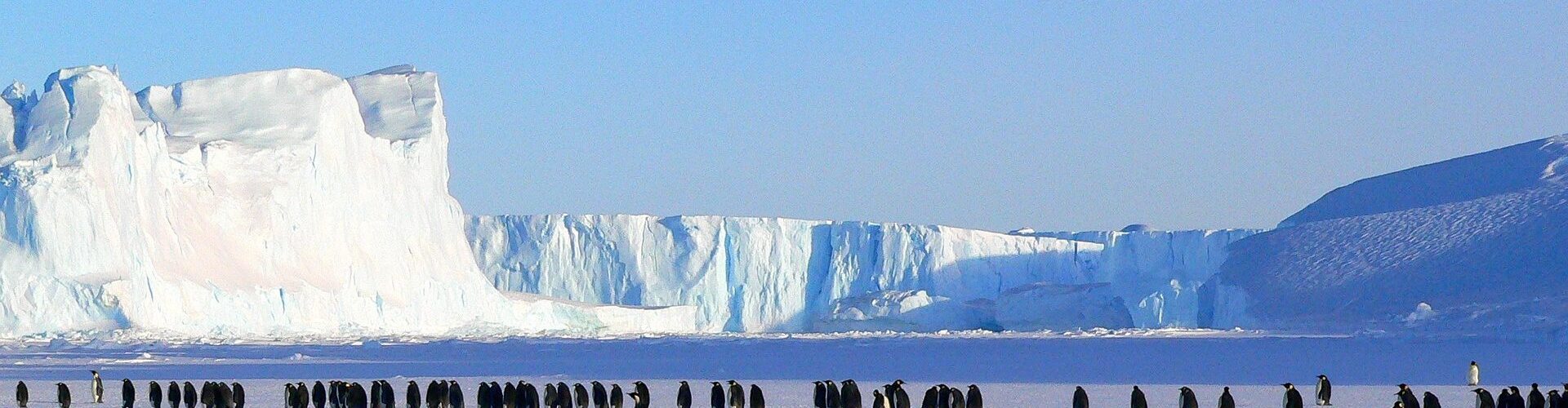
Antarctica News
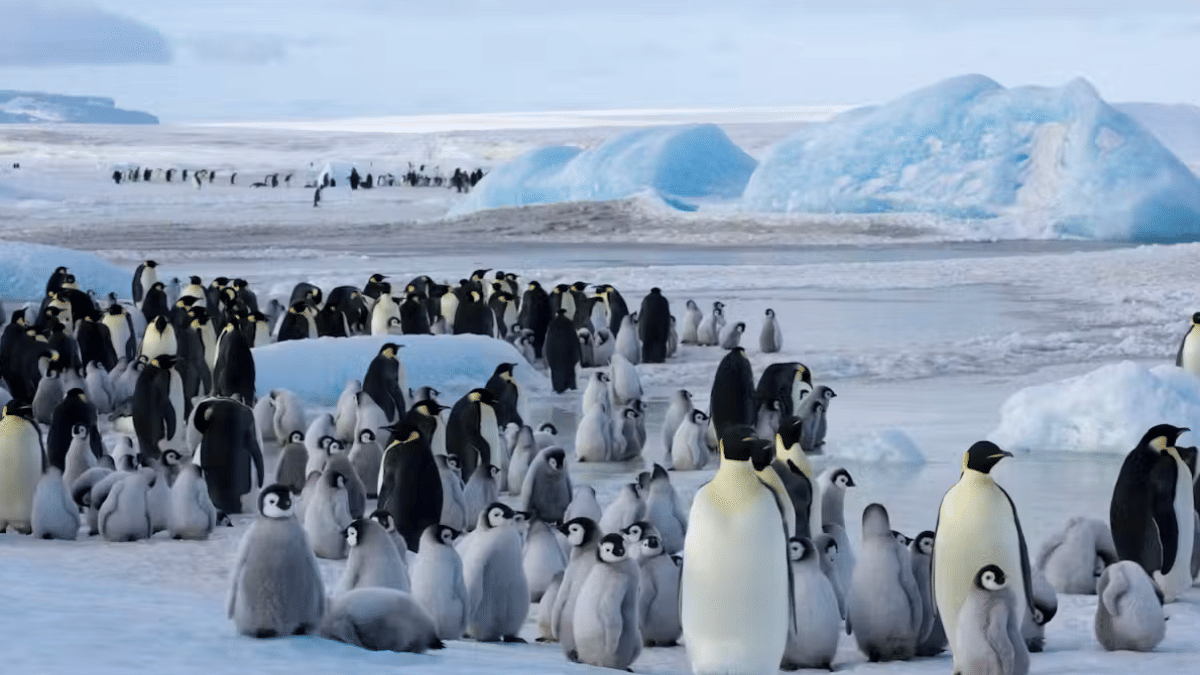
Scientists find a contributor to Antarctic snow melting: penguin poop
A new study published on 7 October, explains how penguin poop and snow algae is linked to melting snow in Antarctica.

Seafloor sediments reveal how East Antarctic ice temporarily halted its retreat and advanced 40 miles
Off the coast of East Antarctica, researchers led by Kiel University (CAU) and the Alfred Wegener Institute, Helmholtz Centre for Polar and Marine Research (AWI), have investigated an exceptionally large sedimentary body embedded in the seafloor of Vincennes Bay: a so-called "grounding-zone wedge"—symmetrical, wedge-shaped, approximately 260 meters (853 feet) high and 65 kilometers (40 miles) long. With a volume of more than 580 cubic kilometers (139 cubic miles), it is the largest known isolated grounding-zone wedge on a glaciated continental shelf to date and constitutes an exceptional archive of East Antarctica's glacial history.

A Massive Hole Opened Up in Antarctica. Scientists May Have Finally Figured Out Why
The open-water hole stretched across 34,400 square miles, or roughly the size of Portugal.
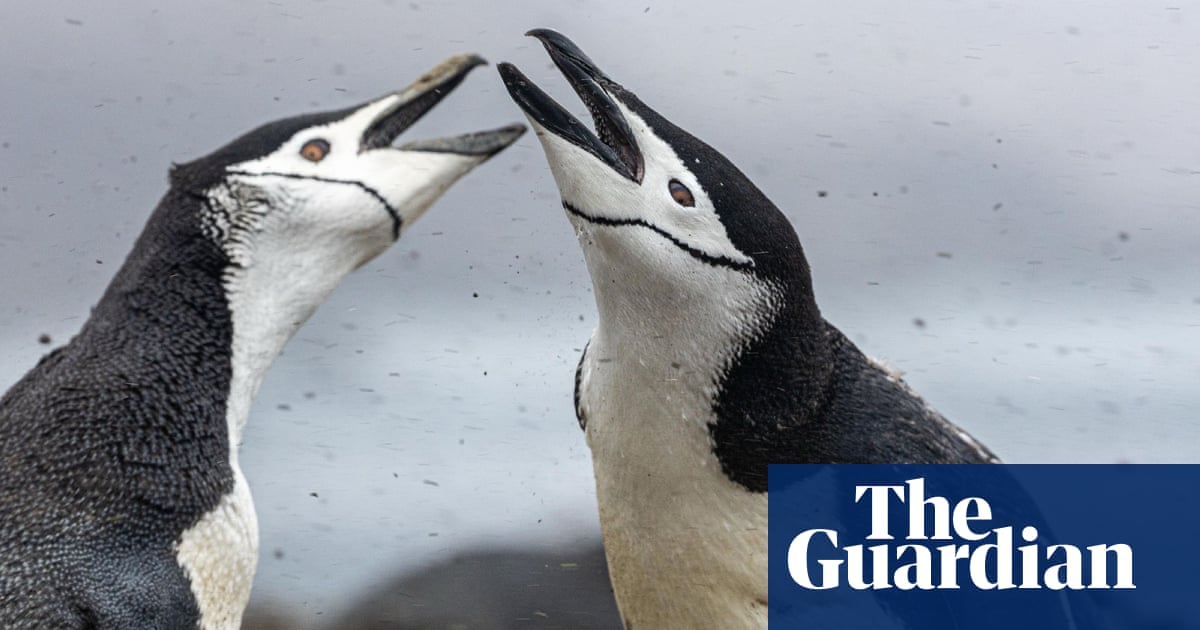
World’s largest penguin colony suffers ‘enormous population crash’
Chinstrap penguins on Zavodovski Island in Antarctica declined by two-thirds since 2011, likely due to climate crisis

Penguin poop is melting Antarctic snow by keeping algae green
Penguin poop is fertilizing snow algae blooms along the Antarctic Peninsula, feeding dense green algae patches along the coastline, a new study shows. These expanding stretches of green snow melt faster than clean, white snow, potentially speeding up the spread of snow- and ice-free areas of Antarctica.
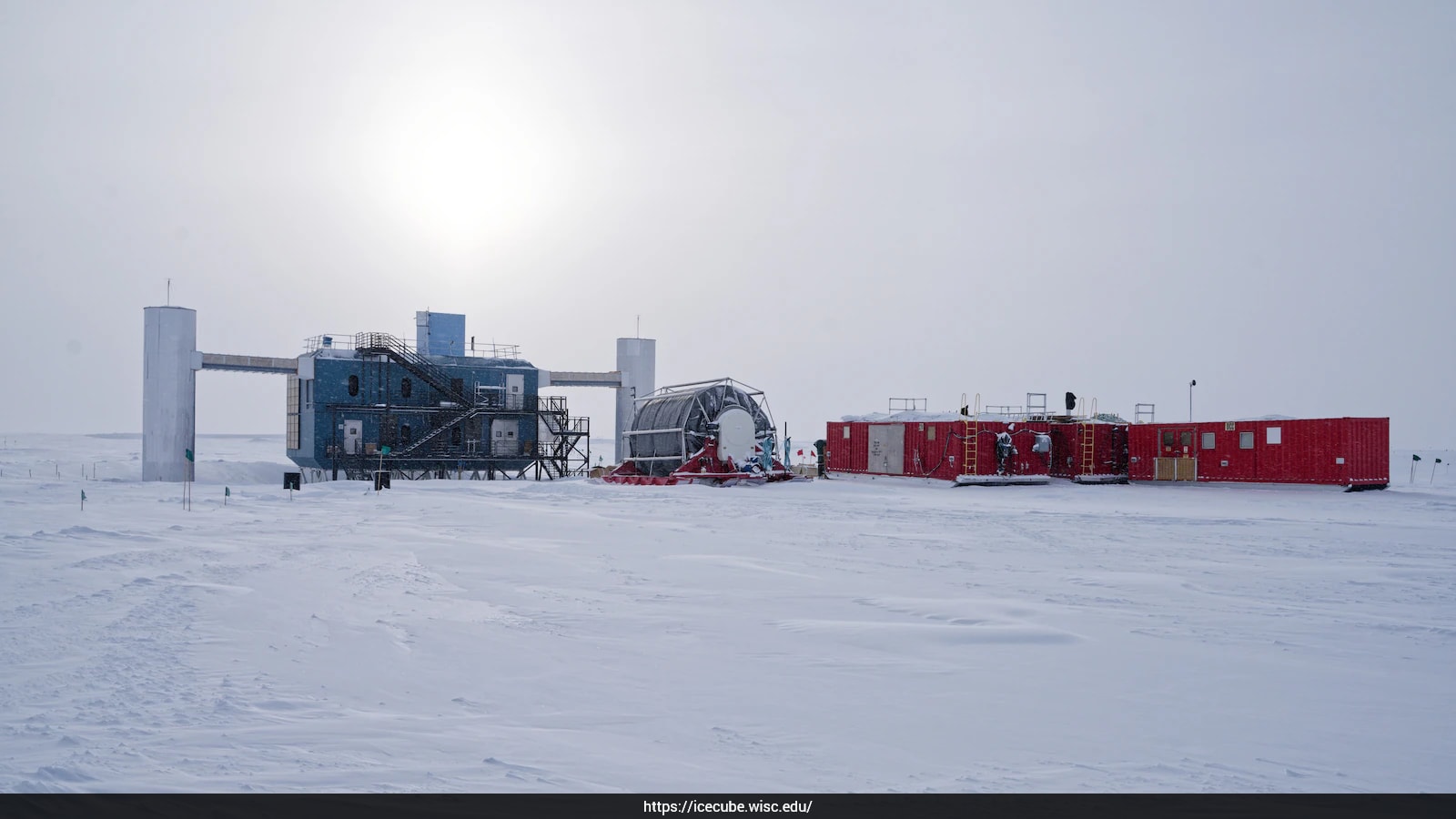
Nobel Physics 2026: How Antarctica's Ice Became A Window To The Universe
Francis Halzen has won the 2026 Nobel Prize in Physics for his pioneering contributions to the IceCube Neutrino Observatory and the discovery of high-energy neutrinos from cosmic sources.
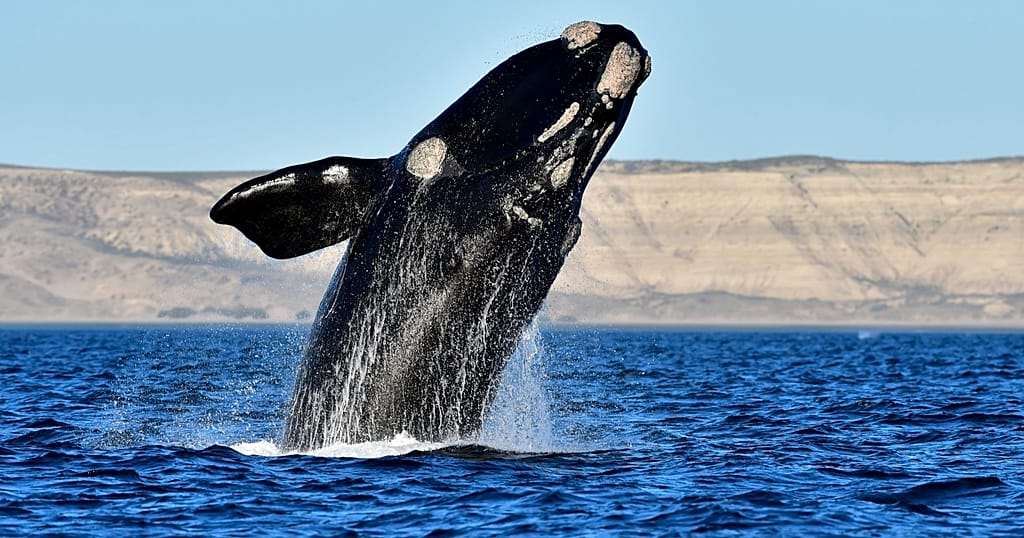
Annual sightings of southern right whales bring joy to South African town
In South Africa's coastal town of Hermanus, a marine spectacle takes place every year between the months of June and November, when hundreds of southern right whales migrate from Antarctica to the South African coast.
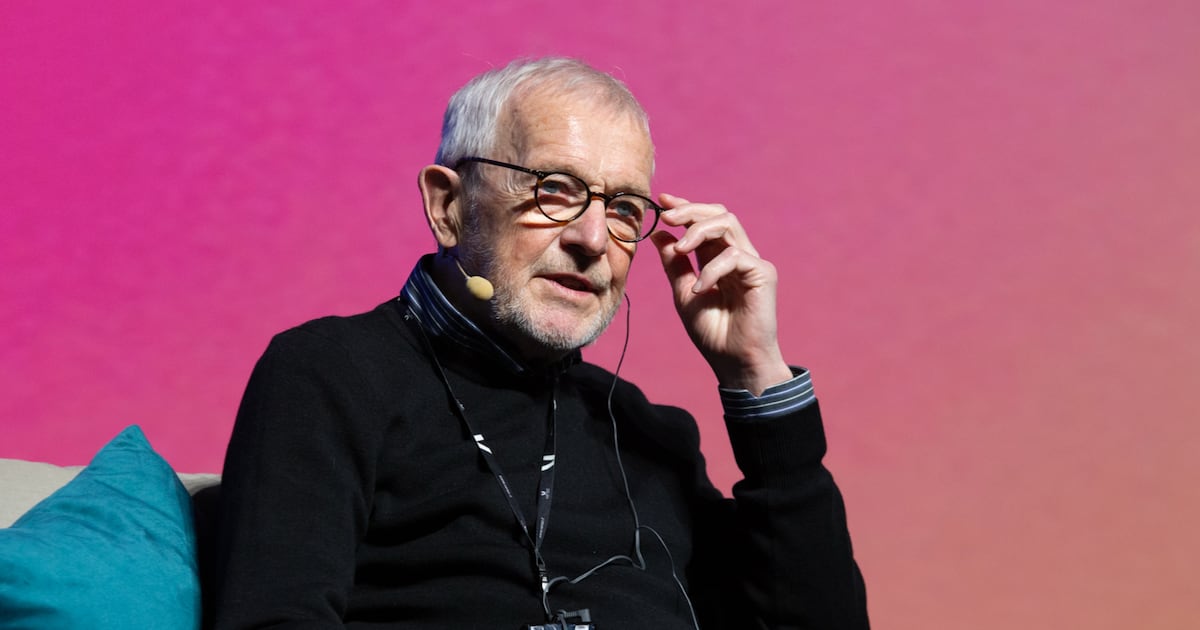
Scientist who hunts mysterious ghost particles in the Antarctic ice wins Nobel Prize for physics
Belgian-born scientist Francis Halzen has won the Nobel Prize in physics for his work on neutrinos, tiny cosmic particles that offer clues about how the universe evolved. Speaking from Italy, Halzen expressed surprise at the award, despite previous predictions that he would win. The Nobel committee said his work was key to the construction of the IceCube Neutrino Observatory in Antarctica. The extraordinarily small particles are everywhere, but scientists must measure them through their interactions with other matter. The Royal Swedish Academy of Sciences announced the award in Stockholm. This year's prize money is 12 million Swedish kronor, or about $1.2 million.

Francis Halzen wins Nobel physics prize for work on ghost particles
The Nobel Committee for Physics also said Halzen’s work was instrumental to the construction of the IceCube Neutrino Observatory in Antarctica.
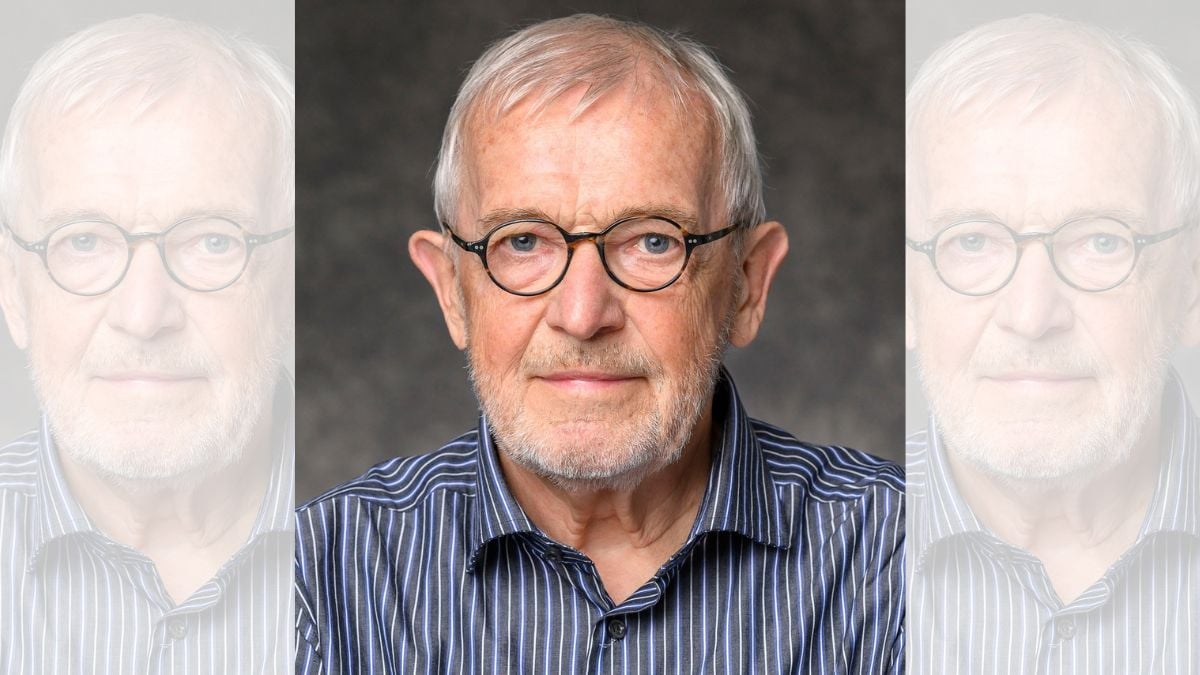
What are neutrinos? ‘Ghost particles’ that won Francis Halzen the 2026 Nobel in Physics
An astrophysicist from Belgium, Francis Halzen is the founder and principal investigator of the IceCube Neutrino Observatory in Antarctica, which is the world’s largest neutrino detector.
Arctic News
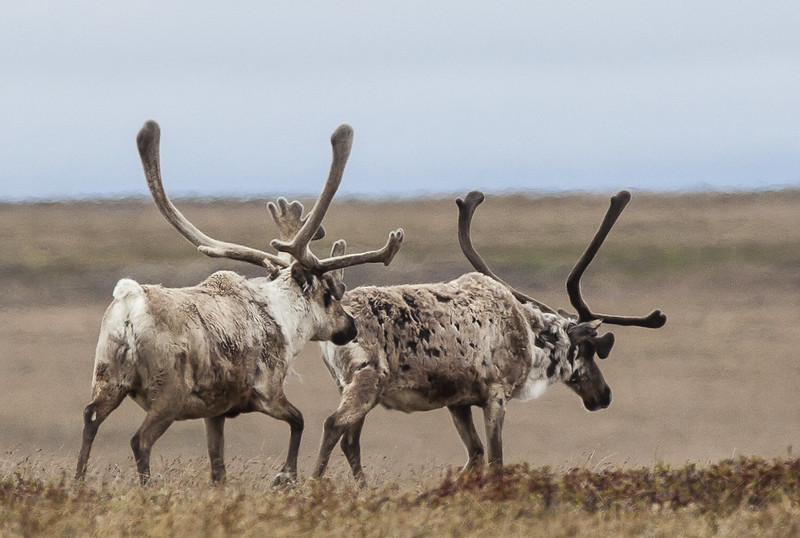
Tribal Groups Concerned As Interior Downplays Western Arctic Drilling Environmental Risks
The following is courtesy of Grandmothers Growing Goodness and Sovereign Iñupiat for a Living Arctic:
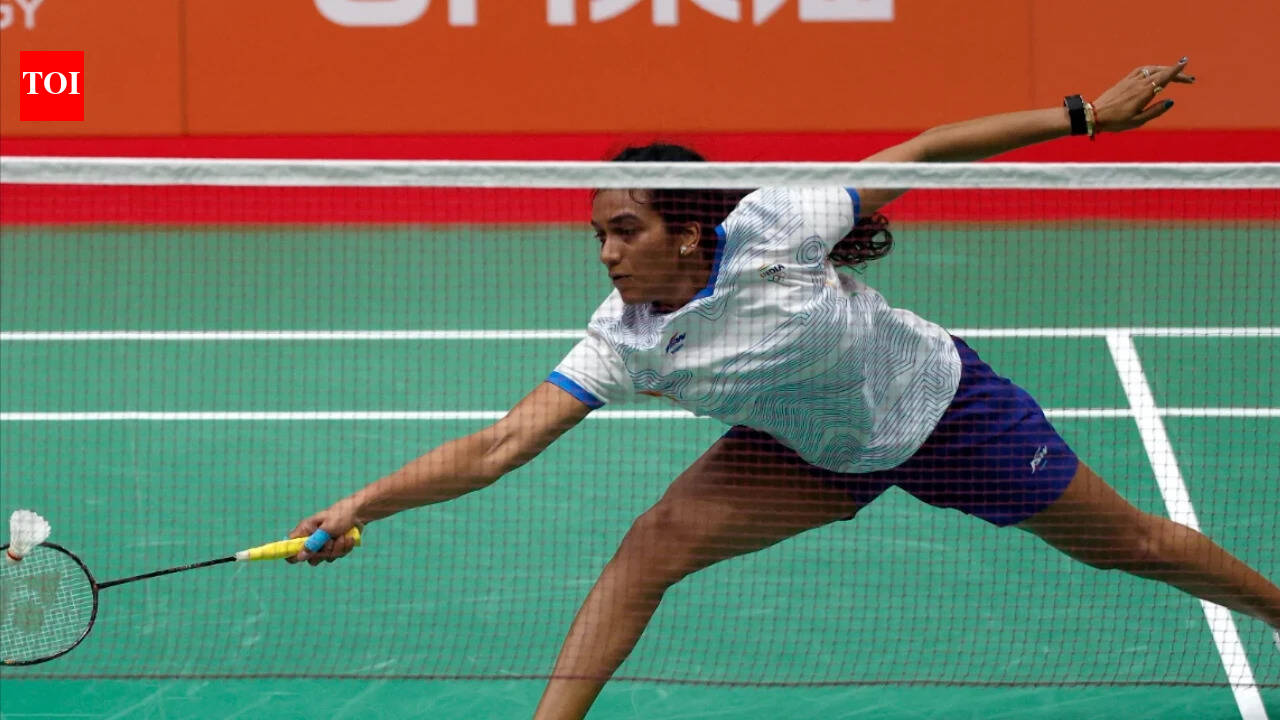
PV Sindhu marches on, Srikanth and Prannoy fall as Arctic Open delivers contrasting fortunes for India
PV Sindhu once again showed her ability to raise the intensity when it mattered most, overcoming Japan’s Riko Gunji in straight games to storm into the

PV Sindhu storms into Arctic Open QFs with straight-games win
PV Sindhu storms into Arctic Open QFs with straight-games win
PV Sindhu storms into Arctic Open QFs with straight
The sixth-seeded Sindhu, competing at the BWF Super 500 event, defeated Gunji 21-15, 21-15 in 49 minutes to book her place in the last eight. She will next face top seed and former world champion Ratchanok Intanon of Thailand in the quarter-finals, as per Olympics.com.

PV Sindhu storms into Arctic Open QFs with straight-games win
The sixth-seeded Sindhu, competing at the BWF Super 500 event, defeated Gunji 21-15, 21-15 in 49 minutes to book her place in the last eight. She will next face top seed and former world champion Ratchanok Intanon of Thailand in the quarter-finals, as per Olympics.com.

PV Sindhu storms into Arctic Open QFs with straight-games win
The sixth-seeded Sindhu, competing at the BWF Super 500 event, defeated Gunji 21-15, 21-15 in 49 minutes to book her place in the last eight. She will next face top seed and former world champion Ratchanok Intanon of Thailand in the quarter-finals, as per Olympics.com.

Who's the Greatest UK Pop Star of 2006?
We look at 2006 Arctic Monkeys and Lily Allen in this two-part Vintage Almost-Pop Stardom episode of the Greatest Pop Stars Podcast.

Popov out to win for first time while Zii Jia aims to gain confidence
PETALING JAYA: Lee Zii Jia and Christo Popov have both secured their places in the Arctic Open quarter-finals, but the two will head into today's meeting with different expectations.
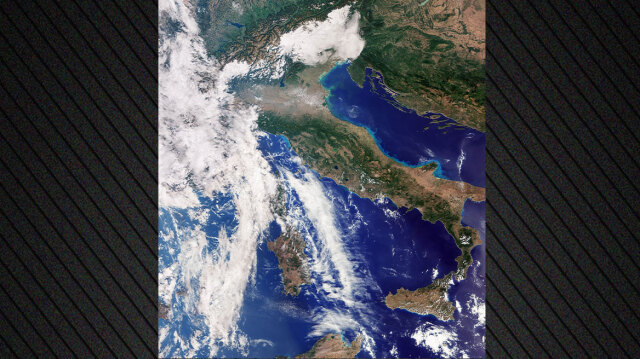
First stunning images of Earth captured by new sentinel
The satellite’s images show Italy, the Arctic and the Caribbean

Aaron-Roy King march into Arctic Open quarters
PETALING JAYA: Men's doubles pair Aaron Tai-Yap Roy King booked their place in the Arctic Open quarter-finals after beating Taiwan's Lee Fang-chih-Lee Fang-jen.